












The cry for help from Brava’s farmers and the deafening silence from the Brava City Council and the Ministry of Agriculture
How much longer will the farmers of Brava have to stand by, powerless, and watch the fruits of their labor be destroyed, without the relevant authorities offering a concrete solution?
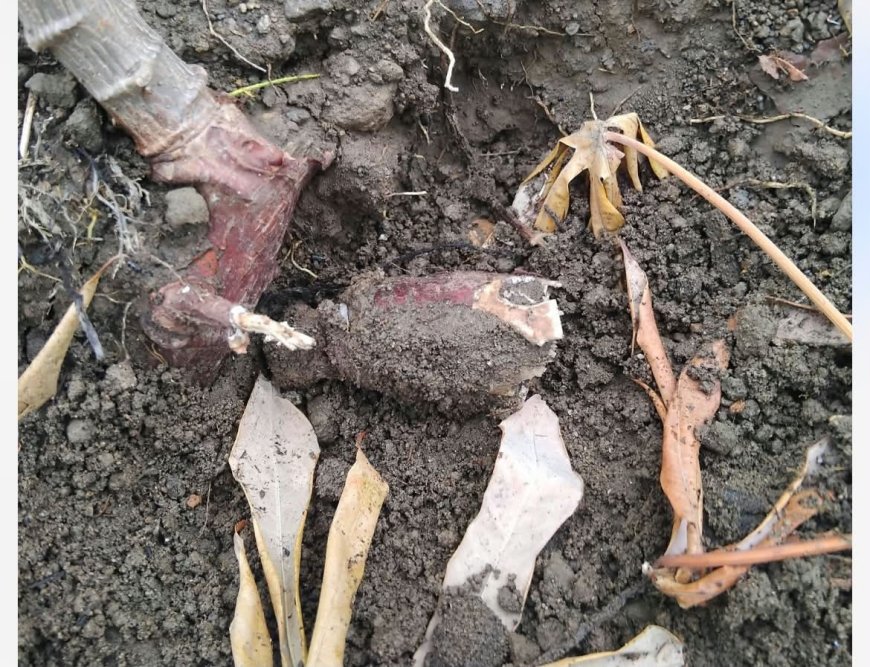
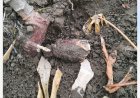
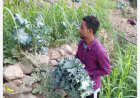
Nova Sintra, October 10, 2026 (Bravanews) - The invasion of monkeys in the agricultural areas of Brava Island is turning into a real nightmare for the men and women who dedicate their lives to farming. Plantations destroyed, crops eaten or damaged, and months of work reduced to losses. This is the reality for farmers who wake up early, face hardships, invest the few resources they have, and, in the end, risk losing everything because of a problem that remains unaddressed in a manner commensurate with its severity.
The most infuriating thing is not just the destruction of crops. It is the feeling of abandonment! Farmers cannot continue to bear alone the consequences of a problem that exceeds the individual capacity of each producer. Farming requires investment, patience, sacrifice, and courage. When the results of this effort are systematically destroyed, we are not merely facing material losses: we are facing an attack on the economic survival of rural families, on food security, and on the very future of agriculture in Brava.
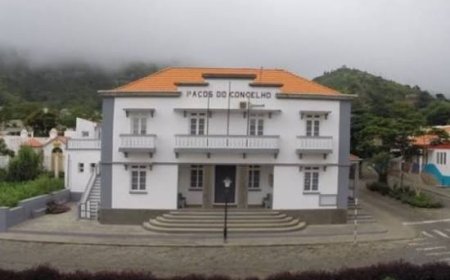
Where is the Brava City Council? Where is the Ministry of Agriculture? Where are the experts, the intervention plans, and the concrete measures to protect farmers? It’s not enough to show up at ceremonies, give speeches about rural development, or announce commitments that vanish after the photos are taken. Farmers need solutions on the ground, not promises on paper!
The Brava City Council cannot continue to treat this situation as if it were a minor issue or the sole responsibility of the central government. As a local authority, it must take an active role in identifying the most affected areas, mobilizing farmers, creating an emergency plan, and applying institutional pressure to ensure effective solutions are found. If it lacks the necessary resources, it must state this publicly and demand intervention from those who have the authority and resources to act.
For its part, the Ministry of Agriculture has an obligation to mobilize technical and scientific expertise to study the problem and implement measures appropriate to the island’s reality. This is not about encouraging the indiscriminate killing of animals, but about finding effective, legal, and environmentally responsible ways to control the damage and protect crops. Other regions face conflicts between wildlife and agriculture and seek solutions tailored to their conditions. Brava cannot wait forever for someone to remember its farmers.
It is also necessary to assess the losses already incurred, listen to the affected producers, and explore support or compensation mechanisms for duly documented cases. Those who have invested money in seeds, plants, water, tools, and labor cannot be left to fend for themselves when they see their crops disappear. If we want young people to stay in agriculture, we must offer them the minimum conditions needed for them to believe that their work is worthwhile.
The situation becomes even more concerning when we consider the long-term consequences. A demotivated farmer may abandon his plot. A family without income may give up farming. A generation that loses faith in agriculture is unlikely to return to the countryside simply because the authorities decide, years later, to launch a new incentive program. Today’s inaction could mean the permanent abandonment of farmland tomorrow.
Therefore, we demand political, institutional, and public accountability. The Brava City Council and the Ministry of Agriculture must clarify what they have already done, what they intend to do, and by when. It is necessary to present an action plan with concrete measures, identified responsible parties, and monitoring of results. Farmers deserve enough respect to receive clear answers, not yet another cycle of silence, excuses, and delays.
Brava cannot continue to ask its farmers to produce more while allowing their work to be destroyed without an institutional response commensurate with the scale of the problem. We cannot speak of local development, fighting poverty, and valuing the rural world when those who feed the island feel they are completely on their own. There is no agricultural development without protected farmers, nor any political discourse that can withstand the reality of destroyed fields and desperate families.
The cry for help has been heard. The question now is simple: who will take responsibility? The Brava Municipal Council and the Ministry of Agriculture have the floor, but above all, they have a duty to act. Because, for farmers who see months of work vanish before their eyes, the silence of the institutions is not just disappointing—it is a dangerous sign of abandonment.
Brava deserves better. Farmers deserve respect. And the time for empty words, without concrete results, must come to an end!
MS